 Kumasipioneer.com Truth l Accuracy l Fairness

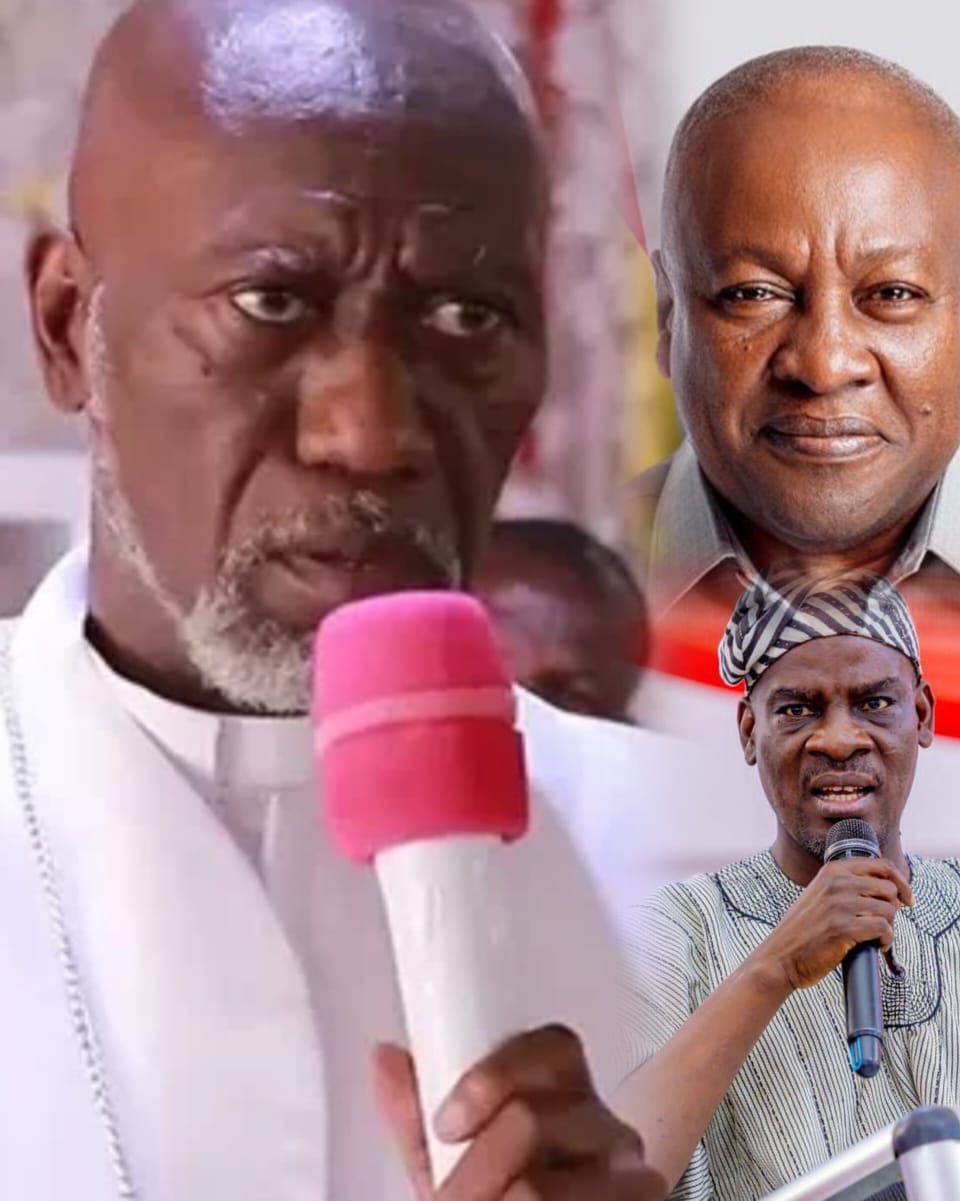
The Chief of Staff Julius Debrah has intervened to ease tensions between government officials and the Church of Pentecost after remarks by Dr. Mary Awusi sparked public backlash.
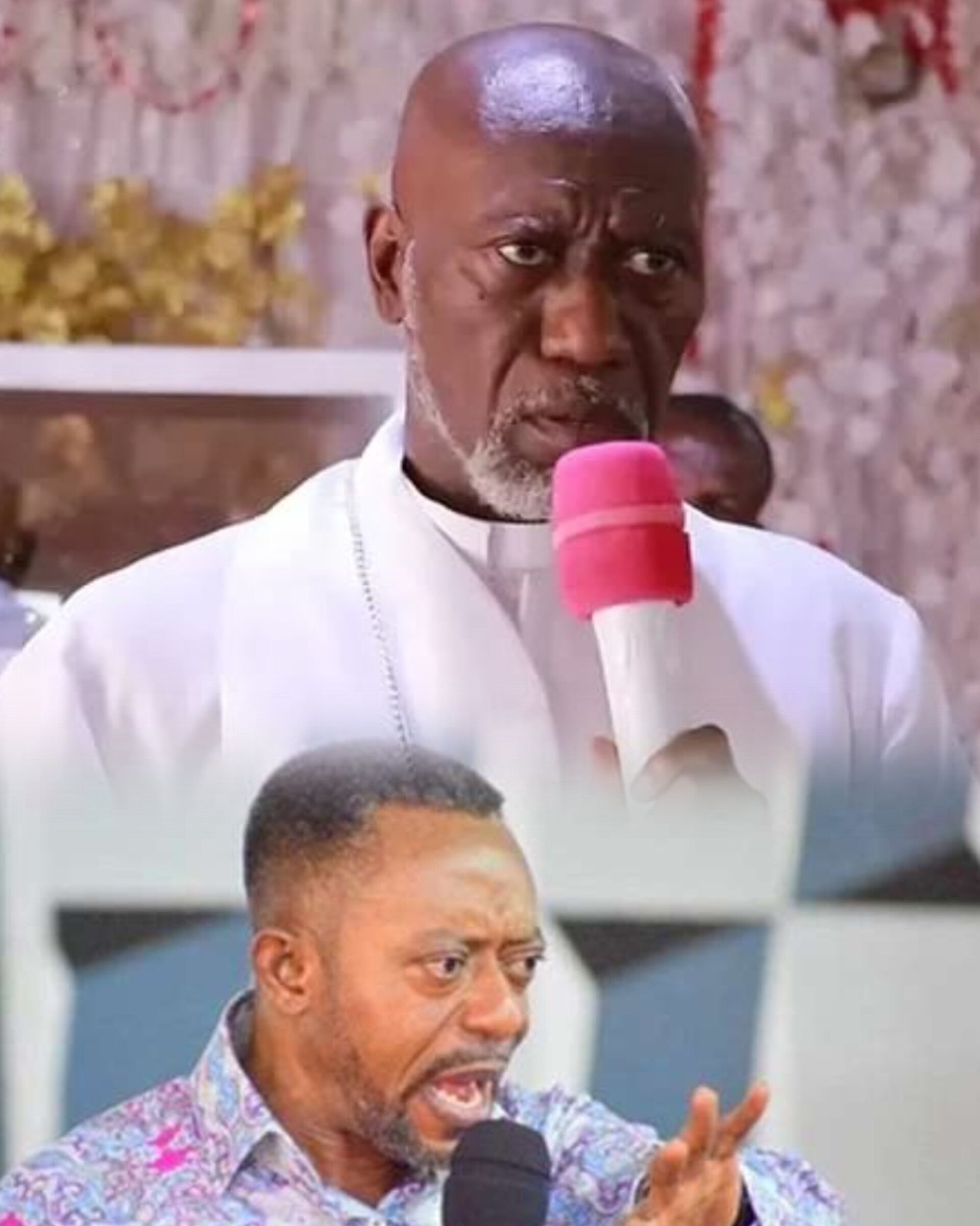
The development follows comments made by the Chairman of the Church, Apostle Eric Nyamekye, at a recent General Council Meeting, where he highlighted the destructive impact of illegal mining, known locally as galamsey, on Ghana’s water bodies.
Apostle Nyamekye lamented that pollution of rivers and streams had reached alarming levels, noting that some Christian communities now struggle to find clean natural water sources for baptism rites.

In a subsequent media interview, Dr. Awusi responded to the Chairman’s statements, suggesting that the church leader could be “dealt with” if he continued to make such remarks.
The comment drew widespread condemnation, with civil society groups and members of the public calling for restraint and respect in national discourse.

Speaking during a thanksgiving service at Trasacco on Sunday, April 26, 2026, Mr. Debrah publicly apologised to the Church of Pentecost on behalf of government. He described Dr. Awusi’s remarks as “unfortunate and unintentional,” and appealed for understanding.
Mr. Debrah stressed the longstanding relationship between the state and the church, noting that many government officials are members of the Church of Pentecost.
He said preserving unity and mutual respect was essential, even when opinions on national issues differ.
In a measured response, Apostle Nyamekye dismissed the need for escalation, stating that he held no grudges over the incident. He indicated that the controversy had inadvertently drawn greater public attention to the environmental concerns he raised.
He urged a shift away from the dispute, calling for national conversations — particularly on galamsey — to remain focused on solutions rather than personal disagreements.
Illegal mining continues to pose a major environmental and public health challenge in Ghana, with several water bodies contaminated by mercury and other pollutants. Faith-based organisations have increasingly added their voices to calls for stricter enforcement and sustainable alternatives for communities involved in small-scale mining.
The intervention by the Chief of Staff is seen as an attempt to maintain dialogue between state actors and religious institutions, both of which play influential roles in shaping public opinion and policy direction on national issues.