 Kumasipioneer.com Truth l Accuracy l Fairness
The Ashanti Regional leadership of the three pre-tertiary teacher unions has declared its full and unflinching support for the ongoing nationwide industrial action, insisting that no amount of verbal assurances will make them return to the classroom without verifiable evidence of payment.
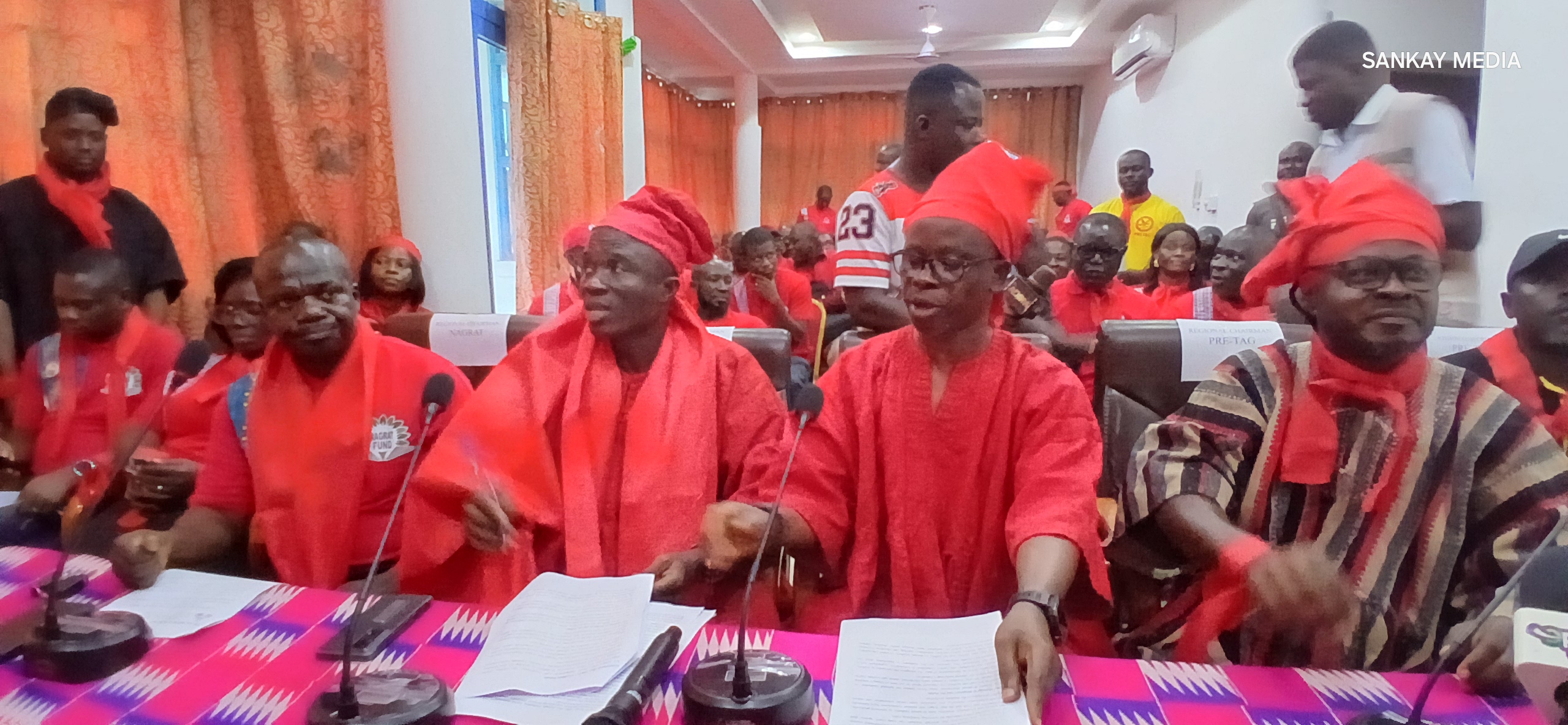
In a strongly worded Joint Press Statement released on Tuesday, October 6, 2026, in Kumasi, the Ashanti Regional Secretariats of the Ghana National Association of Teachers (GNAT), the National Association of Graduate Teachers (NAGRAT), and the Pre-Tertiary Teachers Association of Ghana (PRETAG), said they are fully behind the strike declared by their national leadership effective Friday, September 25, 2026.

The statement, signed by Daniel Kwaku Atakora, Ashanti Regional Secretary of GNAT, Dr. Eric Kwame Buah, Regional Chairman of NAGRAT, and Nana Richard Owusu Asumadu, Regional Chairman of PRETAG, noted that the decision to embark on strike was not taken lightly but became inevitable after months of prolonged engagements, missed deadlines and unfulfilled commitments on the part of government.
“Teachers have remained committed to Ghana’s education despite difficult working conditions. That commitment must be matched by fairness, respect and concrete action,” the statement read.

Why Teachers Are Striking: The Three Core Issues
The unions anchored their action on three principal concerns which they say have remained unresolved despite repeated appeals.
First is the Automatic Placement of Promoted Teachers. The unions are demanding immediate placement of all duly promoted teachers, including those who passed the December 2025 and February 2026 promotion examinations, onto their appropriate salary grades, with payment of arrears effective January 2026. The leadership noted that teachers have already sacrificed some months of arrears in good faith, but said further delays are unacceptable. “Promotion must not remain a promise without implementation,” they stressed.
Second is the Conclusion of a New Collective Agreement. According to the unions, the existing Collective Agreement has expired and negotiations which were expected to be concluded by June 2026 have stalled. They accused the Fair Wages and Salaries Commission (FWSC) of adopting an intransigent posture, which they described as a major obstacle to progress. They are therefore demanding a clear, credible and time-bound roadmap for concluding and implementing the new agreement.
The third concern is the Implementation of the Deprived Area Allowance. The unions argued that teachers serving in deprived, rural and underserved communities work under extremely challenging conditions and that the allowance is critical to attracting and retaining teachers in those areas. They demanded concrete implementation modalities and a verifiable timetable, adding that repeated assurances are no substitute for action.
“Is It A Crime To Be A Teacher In Ghana?”
Beyond the three core demands, the unions also raised other issues of concern bordering on workload, wellbeing and professional dignity.
“Teachers are human beings before they are professionals. The question, ‘Is it a crime to be a teacher in Ghana?’, reflects mounting frustration over excessive demands and neglected welfare concerns,” the statement lamented.
The leadership pointed out that beyond classroom teaching, teachers are burdened with lesson preparation, assessment, reporting, meetings, training and administrative duties while also supporting learners and engaging parents. They called on the Ghana Education Service (GES) and the unions to jointly review workloads, eliminate duplicate reporting and unnecessary administrative tasks, and ensure that professional development programs are properly planned and resourced.
They further demanded accessible and confidential counselling services, referral systems, and training for school heads to recognise signs of distress among teachers, insisting that teachers must be able to report exhaustion, harassment and excessive workload without humiliation.
Intervene Now, Mr. President
The Ashanti teacher unions said while they acknowledge recent engagements with government, what teachers need now is implementation, not further promises. They demanded a transparent monitoring mechanism and verifiable records of implementation with clear deadlines.
They called on the Ministry of Education, GES, the Fair Wages and Salaries Commission, and the Controller and Accountant General’s Department to provide a coordinated account of placements and payments to enable affected teachers cross-check their records.
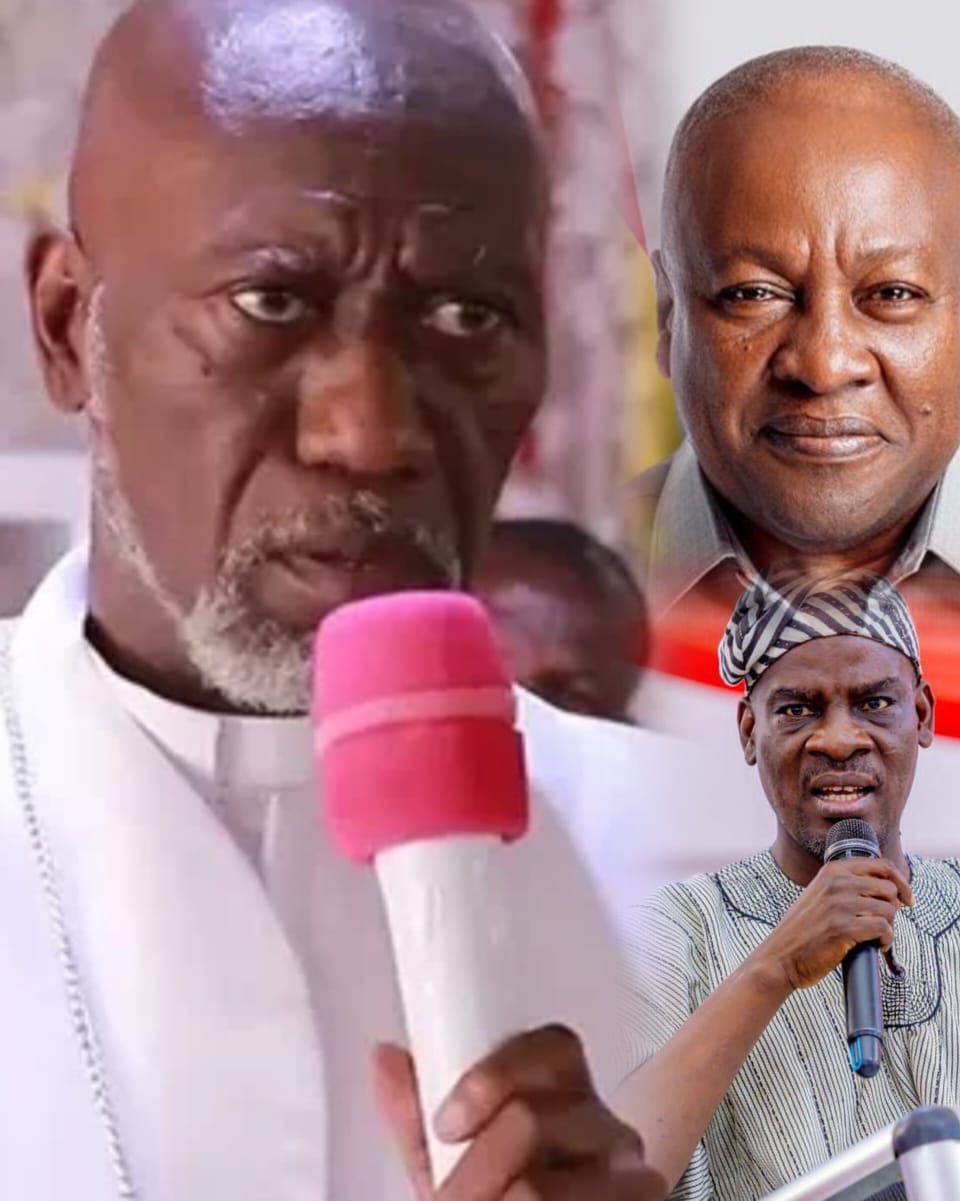
More importantly, they appealed directly to the President of the Republic, H.E. John Dramani Mahama, to intervene decisively, alleging that GES and the FWSC have repeatedly ignored presidential directives. “The President must ensure compliance and restore dignity and sanity to the teaching profession,” they said.
To Our Members: Remain Resolute
Addressing their members, the Ashanti Regional Secretariats, who claim to represent about 40 percent of Ghana’s teaching population, urged all teachers to remain calm, disciplined, united and resolute, and to strictly follow the directives of the national leadership.
They emphasized that the industrial action is not an abandonment of duty, acknowledging the disruption it has caused to learners, parents and guardians, but stressed that their demand for fair treatment is inseparable from their commitment to quality education.
They also appealed to parents and the general public to discuss teachers’ concerns respectfully, warning that ridiculing teachers before children undermines learning and discipline, and that concerns about misconduct should be addressed fairly through proper channels.
No More Promises – Show Us Evidence By October 16
Stating their final position, the unions were unequivocal: teachers are only seeking what is lawfully due them.
“Government must honour its commitments, and dialogue must deliver results. Promises have been made. Deadlines have passed. The time for concrete action is now,” the statement declared.
They cautioned that teachers in the Ashanti Region will not accept further promises or assurances as grounds for calling off the strike. They have therefore given government up to 16th October, 2026, to provide verifiable evidence of payment of all outstanding promotion-related salary arrears.
“Promises alone will not suffice; any decision to call off the strike must be backed by evidence of payment to affected teachers. Until the outstanding issues are satisfactorily addressed and our national leadership directs otherwise, we shall continue to support the industrial action.”
The statement ended with a rallying call: “Enough of Delays. Honour the Commitments. Resolve the Issues. Let Teachers Return to the Classroom with Dignity.”