 Kumasipioneer.com Truth l Accuracy l Fairness
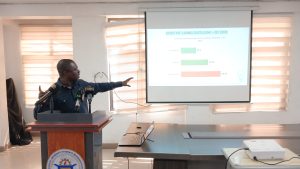
A new survey has revealed growing public concern over the rising cost of living in Ghana, with electricity tariffs, transport fares, and communication expenses identified as the main factors driving economic hardship for households.

The study, led by Prof. Smart Sarpong, Head of Social Science Research at Kumasi Technical University, KsTU, was presented in a summary report at the university on Tuesday. It shows a sharp shift in public perception between 2025 and the first quarter of 2026, pointing to increased financial pressure on households and workers, particularly in the private sector.
Public Confidence Falls Sharply
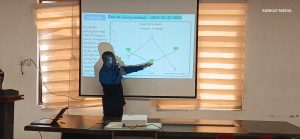
In 2025, 68.8 percent of respondents said the cost of living was lower compared to 2024. By the first quarter of 2026, only 17.4 percent still considered it low, indicating a steep decline in confidence in economic conditions.
The report also found just a 3 percentage point gap between citizens who now view the cost of living as high and those who say it is unchanged from 2025. The narrow margin suggests that most Ghanaians continue to feel the strain of rising expenses.
Key Cost Drivers Identified
Prof. Sarpong said the worsening conditions are largely linked to three areas: higher electricity costs, rising public transport fares, and increased spending on call credit and internet services.
“These are everyday essentials. When their prices go up, they hit household budgets immediately and change spending patterns across the country,” he said.
Income Gap Between Sectors
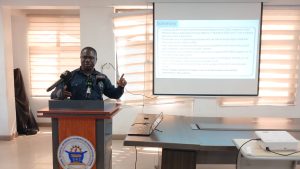
The survey also highlighted disparities in earnings between private and public sector workers. About 58 percent of private sector employees earn GHS 2,000 or less per month, compared to 19.7 percent of public sector workers in the same income bracket.
For middle to lower-level roles such as teaching and nursing, the report found that private sector workers earn two to three times less than their public sector counterparts.
Prof. Sarpong said the widening salary gap, combined with higher costs for essentials, is putting pressure on workers and families and raising concerns about inequality and living standards.
The findings are likely to renew national discussion on wage structures, utility pricing, transport costs, and broader economic reforms aimed at easing the burden on households.